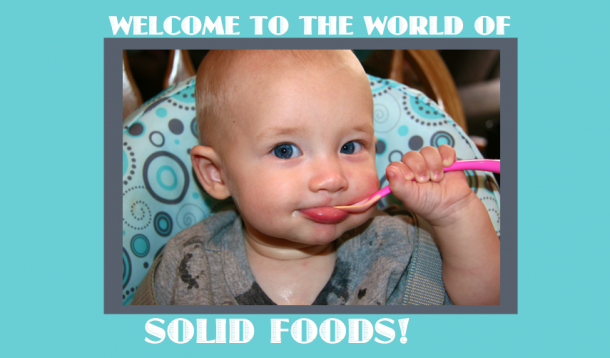
Introducing your baby to the world of solids, sometimes called complementary feeding or weaning, should start when your baby is around 6 months old.
At the beginning, how much your baby eats is less important than getting them used to the idea of eating.
They’ll still be getting most of their energy and nutrients from breast milk or first infant formula.
Giving your baby a variety of foods, alongside breast or formula milk, from around 6 months of age will help set your child up for a lifetime of healthier eating.
Gradually, you’ll be able to increase the amount and variety of food your baby eats until they can eat the same as the rest of the family, in smaller portions.
If your baby was born prematurely, ask your health visitor or GP for advice on when to start.
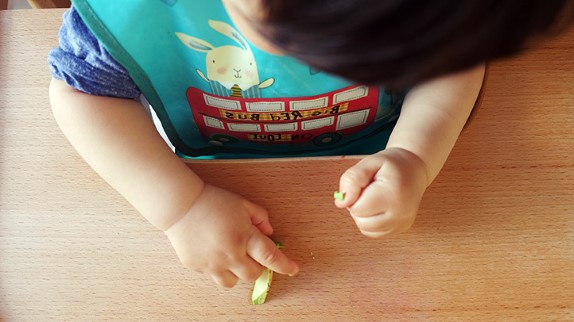
Table of Contents
Why wait until around 6 months ?
It’s a good idea to wait until around 6 months before introducing foods because:
- breast milk or first infant formula provide the energy and nutrients your baby needs until they’re around 6 months old (with the exception of vitamin D in some cases)
- if you’re breastfeeding, feeding only breast milk up to around 6 months of age will help protect your baby against illness and infections
- waiting until around 6 months gives your baby time to develop so they can cope fully – this includes solid foods made into purées, cereals and baby rice added to milk
- your baby will be more able to feed themselves
- your baby will be better at moving food around their mouth, chewing and swallowing it
How to start?
In the beginning your baby will only need a small amount of food before their usual milk feed.
Do not worry about how much they eat. The most important thing is getting them used to new tastes and textures, and learning how to move solid foods around their mouths and how to swallow them.
They’ll still be getting most of their energy and nutrients from breast milk or infant formula.
There are some foods to avoid giving to your baby. For example, do not add sugar or salt (including stock cubes and gravy) to your baby’s food or cooking water.
Babies should not eat salty foods as it’s not good for their kidneys, and sugar can cause tooth decay.
Food types when introducing solids
All new foods are exciting for your baby – there’s no need to cook ‘special’ foods.
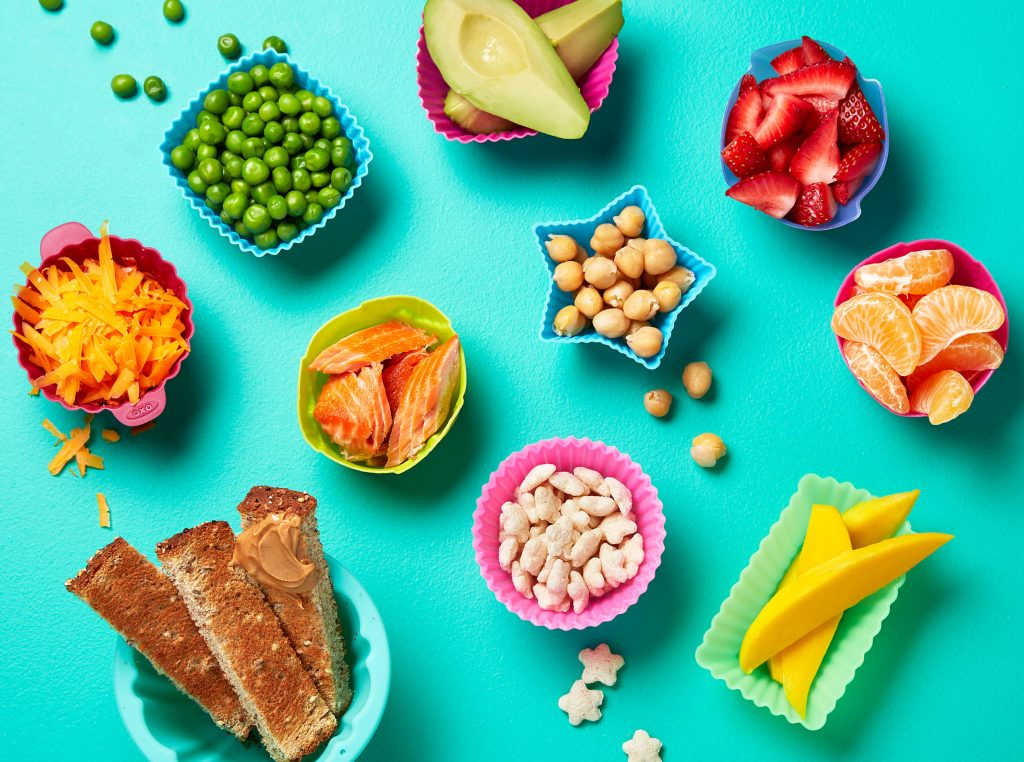
You can also introduce solids in any order, as long as you include iron-rich foods and the food is the right texture.
Iron-rich foods include:
- iron-fortified infant cereal
- minced meat, poultry and fish
- cooked tofu and legumes
- mashed, cooked egg (don’t give raw or runny egg).
To these iron-rich foods, you can add other healthy foods like:
- vegetables – for example, cooked potato, carrot or green vegetables like broccoli
- fruit – for example, banana, apple, melon or avocado
- grains – for example, oats, bread, rice and pasta
- dairy foods – for example, yoghurt and full-fat cheese.
You can mix first foods together – there’s no need to introduce just one food at a time. And if you offer your baby a variety of foods, baby can try lots of new tastes and also get a range of nutrients.
How to introduce solid foods to baby
One of the first and best steps in raising a good eater is to model healthy enjoyment of food yourself. Babies who see adults eating good food and enjoying it are more likely to be interested in following their example.
A few more tips to help your baby discover solids:
- Time it right. The “perfect” time of day to feed your baby is whatever time works for both of you. If you’re breastfeeding, you might try solids when your milk supply is at its lowest (probably late afternoon or early evening). Experiment: Offer a first course of formula or breast milk to whet that appetite, then bring on the solids. Start with one meal per day, then move up to two (probably a morning and evening meal) for the next month or so.
- Monitor baby’s mood. As trying as those first feedings may be for you, they’re even more of a challenge for your little one. So keep in mind that a baby who’s cheerful and alert is more likely to open wide for an incoming spoon, and one who’s cranky or getting sleepy may want only breast (or bottle). If your baby is fussy, be flexible — you might want to skip solids at that meal and try them next time.
- Don’t rush. Food is never fast when it comes to babies — you’ll be surprised at how long it takes to get one little spoonful into that little mouth (and ultimately down the hatch). Give yourself and your baby plenty of time for feedings — and get plenty of practice, too. You’ll need it.
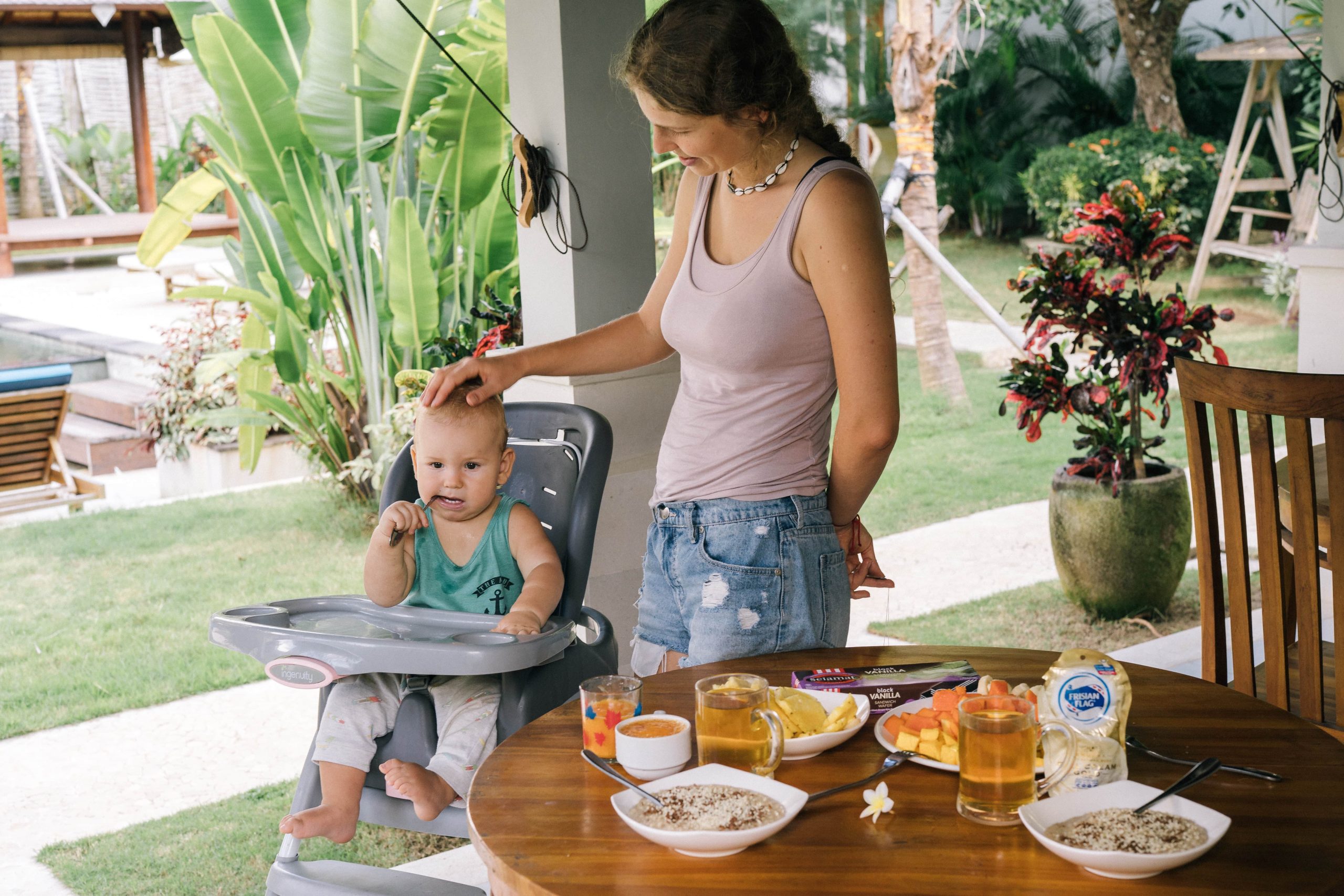
- Sit pretty. Holding a squirming baby on your lap while trying to deposit an unfamiliar substance into an unreceptive mouth is a perfect recipe for disaster. Before your baby actually takes bite one, let her practice sitting in the high chair or feeding seat for a couple of days, adjusting the height of the tray or seat so it fits just right. And don’t forget how wiggly your little worm can be — always fasten the safety straps, including the one around the crotch. If baby can’t sit up at all in such a chair or seat, it’s probably a good idea to postpone solids a little longer.
- Gear up. Skip the silver spoon — a silicone, plastic or corn-based model with a small, soft bowl is much easier on tender gums. Count on having several on hand during feedings (one for you, one for baby and a spare when one lands on the floor) to foster baby’s sense of independence and avoid power struggles (yes, those happen even at this age). And while you’re gearing up, a word to the wise: Don’t forget to put a bib on baby right from the start or you’ll face big-time resistance later.
- Make some introductions. Before even attempting to bring spoon to mouth, put a dab of the food on the table or high chair tray and give baby a chance to examine it, squish it, mash it, rub it and maybe even taste it. That way, when you do approach with the spoon, what you’re offering won’t be totally unfamiliar.
- Ease in. For someone who’s brand new to the concept of spoon-feeding — and all the new textures that go with it — solids can come as a bit of a shock. So ease in. Start by gently placing about a quarter teaspoon of food on the tip of baby’s tongue. If that’s swallowed, place the next quarter teaspoon a little farther back. At first, expect almost as much food to come in as goes out. Eventually your little one will get the hang of spoon-feeding — and respond mouth-open.
- Count on rejection. Even bland tastes can be acquired tastes for a brand new solids eater. Babies may reject a new food several times or more before they decide to like it. So don’t push when baby snubs what the spoon is delivering. But do try again another day.world of solids, world of solids, world of solids, world of solids, world of solids, world of solids, world of solids, world of solids, world of solids, world of solids, world of solids, world of solids, world of solids, world of solids, world of solids, world of solids, world of solids,
- Invite imitation. What your baby monkey sees, she may be more likely to do. It’s an old parent trick but a goodie: Open up wide and take a pretend taste from the spoon — and don’t forget to smack your lips and relish your make-believe bite enthusiastically.
- Know when enough is enough. Knowing when it’s time to stop feeding is as important as knowing when to start. A turned head or a clenched mouth are sure signs that baby is finished with this meal. Forcing a baby to eat is always a lost cause — and can actually set up future food fights.
- Don’t worry too much about portions. If most of what you serve your baby ends up on the floor or otherwise uneaten, it’s not a cause for concern, aside from any completely legit worries you might have about wasting food (and you can help conserve food and prevent waste by keeping serving sizes small). Your baby’s first experiments with food are more about the “experiment” and less about the food — more about gaining experience than gaining sustenance, in other words. The bulk of your child’s nutritional needs for the first year are still going to be met by breast milk or formula.
What are the best first foods for a baby?
No matter what’s on the menu, if you’re introducing solids in the form of purees (as opposed to trying baby-led weaning), the texture of your baby’s first foods should be super smooth and practically dripping off the spoon. If you prepare your own baby food, you should strain, puree or finely mash it, and then thin it with liquid if necessary.
As your baby becomes a more experienced eater (usually around 7 months or older), gradually reduce the liquid you add and thicken the texture.
Here are good first foods to start with for spoon-feeding:
- Cereal. If you start with baby cereal, pick a single-grain, iron-enriched, whole-grain variety, like brown rice, whole-grain oat or whole-grain barley. To prepare, mix a small amount of baby cereal with formula, breast milk or even water to create a creamy “soup.” Don’t sweeten the taste by adding things like mashed bananas, applesauce or juice — first, because it’s best to introduce only one food at a time, and second, because it’s better for baby to acquire a taste for plain before you sweeten the cereal pot.
- Vegetables. Start with milder yellow or orange options such as sweet potatoes and carrots before moving on to the green team, like peas and string beans, which have slightly stronger flavors. If your baby rejects what you give her, try again tomorrow and the next day and the next. Some babies need to be introduced to a new food 10 to 15 times before they’ll accept it, so perseverance is key.
- Fruit. Delicious, digestible first fruits include finely mashed bananas, baby applesauce, peaches and pears. For something completely different, and completely baby-friendly, start with smoothed-down mashed or pureed ripe avocado — it’s creamy, yummy and loaded with healthy fats.
Those early-bird specials (rice cereal, applesauce, bananas, yellow veggies) get pretty old after a few dozen meals. Spice things up (at around 7 or 8 months) by adding:
- Minced meat (chicken, lamb, turkey or beef)
- Mashed eggs
- Whole-milk yogurt
- Cheese
- Pasta
- Beans
- Tofu
At 8 months, you can start trying finger foods to add a whole other dimension to eating.
Ready to serve up a combo platter? That’s fine, as long as you keep the foods separate for a while. Your goal is to get your baby acquainted (and happy) with the taste of particular foods, so if you mush the meats and veggies together, she may never know the joy of just plain peas. Once she likes the taste of a variety of different flavors, feel free to mix things up. world of solids,
Always hold off on honey (which can contain spores of Clostridium botulinum, a bacteria that is harmless to adults but can cause infantile botulism, a serious illness, in babies) and cow’s milk until your baby is at least 1 year old. Most doctors will, however, green-light whole-milk yogurt, cottage cheese and hard cheese by 8 months or so, or even sooner. world of solids, world of solids, world of solids,
Getting the timing right
When you’re first introducing world of solids, it’s a good idea to offer solids when you and your baby are both happy and relaxed. world of solids,
Your baby is also more likely to try solids after a feed of breastmilk or formula. This is because when babies are really hungry, they just want the breastmilk or formula that they know satisfies their hunger. They’ll still have space in their tummies for new foods after they’ve had a feed of breastmilk or formula.
As time passes, you’ll learn when your baby is hungry or full, not interested or tired.
Signs of hunger include your baby: world of solids,
- getting excited when they see you getting their food ready
- leaning towards you while they’re sitting in the highchair
- opening their mouth as you’re about to feed them.
Signs your baby is no longer interested include:
- turning their head away
- losing interest or getting distracted
- pushing the spoon away
- clamping their mouth shut.
Introducing water
Once your baby has reached six months, you can start to offer baby cooled, boiled water in a cup at mealtimes or at other times during the day. This is so your baby can practise drinking from a cup, but baby still doesn’t really need fluids other than breastmilk or formula at this age. Once your baby has reached 12 months, you can offer fresh tap water without boiling it.
Foods and drinks to avoid while introducing solids
There are some foods to avoid until your baby is a certain age:
- honey until 12 months – this is to avoid the risk of infant botulism
- raw or runny eggs and foods containing raw eggs like home-made mayonnaise until 12 months – bacteria in raw eggs can be harmful to babies
- reduced-fat dairy until two years
- whole nuts and similar hard foods until three years – these are choking hazards.
There are some drinks to avoid until your baby is a certain age:
- pasteurised full-fat cow’s milk as a main drink until 12 months
- soy milk, goat’s milk and sheep’s milk until two years (you can give fortified soy products before two years old)
- rice, oat, almond or coconut milk until two years old, unless you’ve consulted with your GP or child and family health nurse
- unpasteurised milk of all types, tea, coffee or sugar-sweetened drinks at all ages
- fruit juice – this should be limited at all ages (fruit has the nutrients baby needs).
Food allergy and introducing solids
Introducing allergenic foods early can reduce the risk of your child developing food allergy.
All babies, including babies with a high allergy risk, should try solid foods that cause allergies from around six months of age. These foods include well-cooked egg, peanut butter, wheat (from wheat-based breads, cereals and pasta) and cow’s milk (but not as a main drink).world of solids, world of solids, world of solids, world of solids, world of solids, world of solids, world of solids, world of solids, world of solids, world of solids, world of solids, world of solids, world of solids, world of solids, world of solids,
It’s a good idea to get advice from your GP, child and family health nurse, dietitian, paediatrician or allergy and immunology specialist if:
- your baby already has a food allergy
- your family has a history of food allergy and you’re concerned about starting solids
- you’re worried about reactions to foods. world of solids, world of solids, world of solids,
Babies with severe eczema or who have parents with food allergies are more likely to develop a food allergy. But most children with food allergy don’t have parents with food allergy.
Food texture when introducing solids
When your baby is ready for solids, first foods might be smooth, mashed or in soft pieces, depending on what baby likes. Your baby can quickly go on to minced foods and then chopped foods.
Your baby needs a variety of food textures. This helps your baby learn how to chew, and chewing helps with speech development. It also helps to encourage self-feeding and prevent feeding difficulties as your baby develops.
By the time your baby is 12 months old, they should be eating the same foods that the rest of the family is eating. But you might still need to chop some foods into smaller pieces and cook vegetables until they’re soft.
Safety and hygiene
When introducing your baby to solids , it’s important to take extra care to not put them at risk.
Key food safety and hygiene advice:
- always wash your hands before preparing food and keep surfaces clean
- cool hot food and test it before giving it to your baby
- wash and peel fruit and raw vegetables
- avoid hard foods like whole nuts, or raw carrot or apple
- remove hard pips and stones from fruits, and bones from meat or fish
- cut small, round foods, like grapes and cherry tomatoes, into small pieces
- eggs produced under the British Lion Code of Practice (stamped with the red lion) are considered very low risk for salmonella and safe for babies to eat partially cooked
Simple by following these safety measures, you can be rest assured you are on the right track to ensuring your child has the power to learn and experiment with solids and be one step closer to being independent eaters rather than being on the fence and venturing into picky eating.
Make sure you and your the children’s caregivers are all trained in basic first aid and are present with child at all times during meals.
Key points
- Start to introduce solid foods when your baby shows signs of being ready. This is around six months, but not before four months.
- First foods might be smooth, mashed or in soft pieces. Your baby can go on to minced and chopped foods.
- Introduce different foods to your baby in any order, as long as you include iron-rich foods. There are some foods to avoid.
- Keep breastfeeding or using infant formula until your baby is at least 12 months.
- From around six months, all babies should have foods that cause allergies.
Read more : https://babyandchild.ae/for-mums/article/719/when-should-i-start-weaning-my-baby-on-to-solid-foods